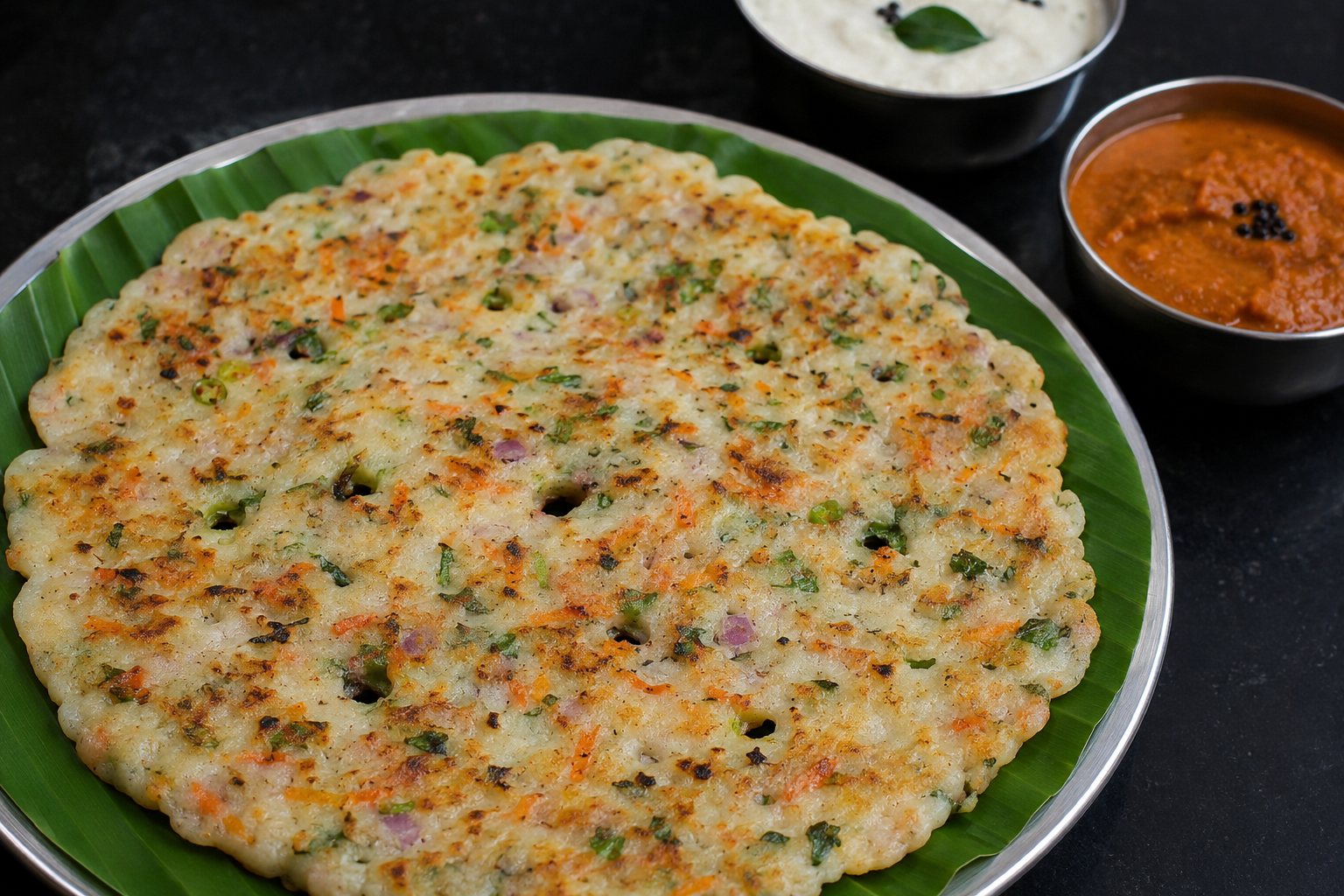
Thali Pattu Recipe: A Traditional Karnataka Breakfast Delight
Introduction
Thali Pattu is a traditional and wholesome flatbread from Karnataka, especially popular in rural households. It is a nutritious dish made using rice flour, vegetables, herbs, and spices, creating a soft yet crispy texture that is loved by people of all ages. Unlike regular chapatis or rotis, Thali Pattu is patted directly onto a banana leaf, plastic sheet, or damp cloth before being cooked on a hot griddle. This unique preparation method gives the dish its name, as “Thali” refers to patting and “Pattu” refers to the flattened bread.
Thali Pattu is commonly enjoyed as a breakfast, evening snack, or light dinner. It is often served with butter, chutney, pickle, yogurt, or coconut chutney. The recipe is highly versatile because vegetables such as onions, carrots, cabbage, dill leaves, coriander leaves, and spinach can be added to increase both flavor and nutritional value.
This traditional recipe has been passed down through generations and remains a favorite comfort food in many Karnataka homes. It is easy to prepare, requires simple pantry ingredients, and is an excellent way to include vegetables in your daily diet.
Ingredients
Main Ingredients
● 2 cups rice flour
● 1 medium onion, finely chopped
● 1 carrot, grated
● 2 green chilies, finely chopped
● 2 tablespoons fresh coriander leaves, chopped
● 1 tablespoon curry leaves, finely chopped
● 1 teaspoon cumin seeds
● ½ teaspoon salt (or as needed)
● Water as required
● 2 tablespoons grated coconut (optional)
For Cooking
● 2–3 tablespoons oil or ghee
Optional Additions
● Chopped dill leaves (sabsige soppu)
● Finely chopped cabbage
● Spinach leaves
● Sesame seeds
● Ginger, finely grated
Preparation Method
Step 1: Prepare the Vegetables
Begin by washing all vegetables thoroughly. Finely chop the onions, green chilies, coriander leaves, and curry leaves. Grate the carrot and keep everything ready. If using additional vegetables such as cabbage, spinach, or dill leaves, chop them finely as well.
Fresh vegetables add moisture, flavor, and nutrients to the Thali Pattu. They also enhance the texture, making the flatbread soft on the inside while remaining crisp around the edges.
Step 2: Make the Dough
Take a large mixing bowl and add the rice flour. Mix in the chopped onions, grated carrot, green chilies, coriander leaves, curry leaves, cumin seeds, coconut, and salt.
Gradually add water while mixing with your hand. Unlike chapati dough, the dough for Thali Pattu should be soft and slightly sticky. It should hold together easily when pressed but should not become watery.
Allow the dough to rest for about 10–15 minutes. Resting helps the rice flour absorb moisture evenly, resulting in a softer and tastier Thali Pattu.
Step 3: Shape the Thali Pattu
Traditionally, a banana leaf is used to shape the dough. If banana leaves are unavailable, a clean plastic sheet, parchment paper, or damp cotton cloth can be used.
Grease the surface lightly with oil. Take a lemon-sized ball of dough and place it in the center. Wet your fingers with water and gently pat the dough outward into a thin circular shape.
The thickness should be similar to a paratha but slightly thinner. Make a few small holes in the center and around the surface using your finger. These holes help the oil spread evenly during cooking and ensure a crispy texture.
Step 4: Heat the Griddle
Place a cast-iron tawa or non-stick griddle on medium heat. Allow it to become hot but not smoking.
A cast-iron griddle is preferred because it gives the Thali Pattu a beautiful golden color and authentic flavor.
Step 5: Cook the Thali Pattu
Carefully transfer the shaped Thali Pattu onto the hot griddle. If using a banana leaf or plastic sheet, gently invert it onto the tawa and peel off the sheet slowly.
Drizzle a little oil or ghee around the edges and into the holes made earlier.
Cook on medium heat for about 3–4 minutes until the bottom turns golden brown.
Flip carefully and cook the other side for another 2–3 minutes. Press lightly with a spatula to ensure even cooking.
The finished Thali Pattu should have crispy edges with a soft and flavorful center.
Serving Suggestions
Thali Pattu can be served in various ways:
Coconut Chutney
Fresh coconut chutney is one of the most popular accompaniments. The mild sweetness of coconut balances the spicy flavors of the Thali Pattu beautifully.
Butter
A small dollop of homemade butter melts over the hot Thali Pattu, adding richness and enhancing its taste.
Pickle
Traditional mango or lemon pickle adds a tangy and spicy contrast.
Yogurt
Plain curd or yogurt provides a cooling effect and complements the flavors perfectly.
Vegetable Kurma
For a more filling meal, serve Thali Pattu with vegetable kurma or sagu.
Nutritional Benefits
Thali Pattu is not only delicious but also highly nutritious.
Rich in Carbohydrates
Rice flour provides energy and keeps you active throughout the day.
Good Source of Fiber
Vegetables like carrots, onions, and leafy greens contribute dietary fiber, supporting healthy digestion.
Packed with Vitamins
Fresh herbs and vegetables contain vitamins A, C, and K, along with important antioxidants.
Gluten-Free Option
Since it is made primarily with rice flour, Thali Pattu is naturally gluten-free, making it suitable for people avoiding wheat.
Balanced Meal
When served with chutney and yogurt, it becomes a balanced meal containing carbohydrates, vitamins, minerals, and healthy fats.
Tips for Perfect Thali Pattu
Use fresh rice flour for the best texture and taste.
Always wet your fingers while patting the dough to prevent sticking.
Cook on medium heat to ensure even cooking.
Add grated vegetables to increase softness and flavor.
Do not make the dough too watery.
Use a cast-iron tawa whenever possible.
Make small holes on the surface to achieve crispness.
Add sesame seeds for a nutty flavor.
Rest the dough before shaping.
Serve hot for the best taste experience.
Variations of Thali Pattu
■ Onion Thali Pattu
Prepared with extra onions for a sweeter and more flavorful taste.
■ Dill Leaves Thali Pattu
Made using fresh dill leaves, offering a distinctive aroma and traditional Karnataka flavor.
■ Mixed Vegetable Thali Pattu
Includes carrots, cabbage, beans, and spinach for enhanced nutrition.
■ Ragi Thali Pattu
Combines rice flour with ragi flour for additional calcium and fiber.
■ Coconut Thali Pattu
Contains more grated coconut, resulting in a softer texture and slightly sweet flavor.
Conclusion
Thali Pattu is a cherished traditional Karnataka dish that combines simplicity, nutrition, and authentic flavor. Made from rice flour, vegetables, herbs, and spices, it is a versatile recipe that can be customized according to personal preferences and seasonal ingredients. The unique hand-patting technique and slow cooking process create a delightful texture that is crispy on the outside and soft on the inside.
Whether served for breakfast, lunch, dinner, or as an evening snack, Thali Pattu remains a comforting and satisfying meal. Its wholesome ingredients, ease of preparation, and delicious taste make it a timeless favorite in many households. By following this traditional recipe and incorporating fresh ingredients, you can enjoy an authentic homemade Thali Pattu that celebrates the rich culinary heritage of Karnataka.